Introduction
In 2026, the interest in psychedelics continues to grow, with many people curious about the differences between shrooms (magic mushrooms) and LSD. Both substances have a rich history and unique properties, but understanding their distinctions is crucial for anyone considering their use. This guide will provide a comprehensive overview of shrooms and LSD, covering their definitions, mechanisms of action, benefits, risks, and legal status. By the end, you’ll have a clear understanding of these two powerful psychedelics and how to approach them safely.
Definition or Background
Shrooms (Magic Mushrooms)
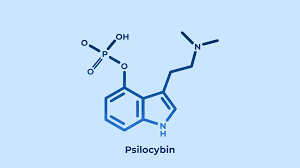
Magic mushrooms, often referred to as shrooms, are a group of fungi that contain the psychoactive compounds psilocybin and psilocin. These mushrooms have been used for centuries in various cultures for spiritual and medicinal purposes. The most common species include Psilocybe cubensis, Psilocybe semilanceata, and Psilocybe mexicana. Magic mushrooms are known for their hallucinogenic effects, which can include visual and auditory hallucinations, altered perception of time and space, and heightened emotional states.
LSD
LSD, or lysergic acid diethylamide, is a synthetic psychedelic drug first synthesized in 1938 by Albert Hofmann. It is derived from ergot, a fungus that grows on rye and other grains. LSD is known for its powerful hallucinogenic effects and has been studied for its potential therapeutic benefits in treating conditions such as PTSD, depression, and anxiety. Unlike magic mushrooms, LSD is a man-made substance, which means its composition and effects are more consistent and predictable.
How It Works or Explanation
Shrooms (Magic Mushrooms)
Magic mushrooms work by converting psilocybin into psilocin in the body, which then interacts with serotonin receptors in the brain. This interaction alters perception, mood, and cognitive processes, leading to a range of experiences from euphoria and visual hallucinations to spiritual insights and introspection. The effects typically last between 4 to 6 hours, depending on the dosage and individual metabolism.
LSD
LSD acts similarly to magic mushrooms by binding to serotonin receptors, particularly the 5-HT2A receptor. This binding triggers a cascade of neural activity that results in altered states of consciousness, including visual and auditory hallucinations, distorted perception of time and space, and heightened emotional states. The effects of LSD can last up to 12 hours, making it a longer-lasting psychedelic experience compared to magic mushrooms.
Benefits and Use Cases
Shrooms (Magic Mushrooms)
Magic mushrooms have been shown to have several potential benefits, including:
- Mental Health: Studies have indicated that psilocybin can help alleviate symptoms of depression, anxiety, and PTSD. Visit now for more information on the therapeutic potential of magic mushrooms.
- Spiritual Growth: Many users report profound spiritual experiences and personal insights that can lead to lasting positive changes in their lives.
- Creativity: Some individuals find that magic mushrooms enhance their creativity and problem-solving abilities.
LSD
LSD also offers a range of potential benefits:
- Therapeutic Applications: Research suggests that LSD can be effective in treating mental health conditions such as depression, anxiety, and end-of-life distress. Explore more about the therapeutic uses of LSD.
- Personal Growth: Users often report increased self-awareness, emotional openness, and a deeper understanding of their place in the world.
- Creativity and Innovation: LSD has been known to stimulate creative thinking and innovative ideas, making it a popular choice among artists and scientists.
Safety Risks and Legality (Neutral)
Shrooms (Magic Mushrooms)
Safety Risks:
- Psychological: High doses can lead to anxiety, paranoia, and psychosis in some individuals.
- Physical: While rare, physical side effects can include nausea, increased heart rate, and elevated blood pressure.
- Legal: Magic mushrooms are illegal in most countries, including the UK and Europe. However, there are ongoing discussions and research into their potential medical benefits, which may lead to changes in legislation in the future.
Legality:
- Magic mushrooms are classified as a Schedule 1 drug in the UK, meaning they are illegal to possess, distribute, or cultivate. However, some countries have decriminalized or legalized their use for medical or spiritual purposes.
LSD
Safety Risks:
- Psychological: High doses can cause anxiety, paranoia, and psychosis. The risk of a “bad trip” is higher with LSD compared to magic mushrooms.
- Physical: Physical side effects are generally mild but can include dilated pupils, increased heart rate, and elevated blood pressure.
- Legal: LSD is illegal in most countries, including the UK and Europe. Its possession, distribution, and manufacture are strictly prohibited.
Legality:
- LSD is also classified as a Schedule 1 drug in the UK, making it illegal to possess, distribute, or manufacture. However, there are ongoing studies and discussions about its potential therapeutic benefits, which may influence future legal changes.
How to Get Started or Proper Use
Shrooms (Magic Mushrooms)
- Dosage: Start with a low dose (e.g., 1-2 grams of dried mushrooms) to gauge your reaction. Increase gradually if needed.
- Setting: Choose a comfortable, safe, and familiar environment. Have a trusted friend or “sitter” present to ensure safety.
- Mindset: Approach the experience with a positive and open mindset. Avoid using magic mushrooms if you are feeling anxious or stressed.
LSD
- Dosage: Begin with a low dose (e.g., 50-100 micrograms) to assess your tolerance. Increase gradually if needed.
- Setting: Similar to magic mushrooms, choose a comfortable and safe environment. Have a trusted friend or “sitter” present.
- Mindset: Maintain a positive and open mindset. Avoid using LSD if you are feeling anxious or stressed.
Common Mistakes
Shrooms (Magic Mushrooms)
- Overdosing: Taking too high a dose can lead to overwhelming and potentially dangerous experiences.
- Improper Setting: Using magic mushrooms in an unfamiliar or unsafe environment can increase the risk of a negative experience.
- Mixing with Other Substances: Combining magic mushrooms with alcohol or other drugs can enhance risks and unpredictability.
LSD
- Overdosing: High doses of LSD can lead to intense and potentially harmful experiences.
- Improper Setting: Using LSD in an unfamiliar or unsafe environment can increase the risk of a negative experience.
- Mixing with Other Substances: Combining LSD with alcohol or other drugs can enhance risks and unpredictability.
FAQs
What are the main differences between shrooms and LSD?
The main differences lie in their origin, duration of effects, and specific experiences. Shrooms are natural fungi containing psilocybin, while LSD is a synthetic drug. The effects of shrooms typically last 4-6 hours, whereas LSD can last up to 12 hours.
Are shrooms and LSD legal?
Both shrooms and LSD are illegal in most countries, including the UK and Europe. They are classified as Schedule 1 drugs, meaning their possession, distribution, and manufacture are strictly prohibited. However, there are ongoing discussions and research into their potential medical benefits.
What are the potential benefits of shrooms and LSD?
Both substances have shown potential benefits in treating mental health conditions such as depression, anxiety, and PTSD. They can also enhance creativity, personal growth, and spiritual experiences.
What are the risks associated with shrooms and LSD?
The primary risks include psychological effects such as anxiety, paranoia, and psychosis. Physical side effects are generally mild but can include nausea, increased heart rate, and elevated blood pressure. It’s important to use these substances responsibly and in a safe environment.
How should I prepare for a psychedelic experience?
Prepare by choosing a comfortable and safe environment, having a trusted friend or “sitter” present, and maintaining a positive and open mindset. Start with a low dose to gauge your reaction and increase gradually if needed.
Can I mix shrooms or LSD with other substances?
Mixing psychedelics with alcohol or other drugs can enhance risks and unpredictability. It’s generally advised to avoid combining these substances to ensure a safer experience.
What should I do if I have a bad trip?
If you experience a bad trip, stay calm and remind yourself that the effects are temporary. Focus on your breathing, find a quiet and comfortable place to rest, and have a trusted friend or “sitter” present to support you.
How long do the effects of shrooms and LSD last?
The effects of shrooms typically last 4-6 hours, while the effects of LSD can last up to 12 hours. The duration can vary depending on the dosage and individual metabolism.
Conclusion with Soft CTA
In conclusion, understanding the differences between shrooms and LSD is essential for anyone considering their use. Both substances offer unique experiences and potential benefits, but they also come with risks and legal considerations. If you’re interested in exploring these psychedelics, it’s crucial to approach them with caution, education, and a responsible mindset. For more information and to explore high-quality psychedelic products, Shop now and visit our trusted online store.