Introduction
In 2026, ketamine continues to be a subject of interest for its diverse applications in medicine and research. Understanding the chemical structure of ketamine is crucial for anyone looking to explore its properties, uses, and safety considerations. This guide will provide a comprehensive overview of ketamine’s chemical structure, how it works, its benefits, risks, and legal status. By the end, you’ll have a clear understanding of this versatile compound and how it is used in various fields.
Definition or Background
Ketamine
Ketamine is a dissociative anesthetic that was first synthesized in 1962. It is known for its rapid onset and short duration of action, making it a popular choice for medical procedures requiring anesthesia. Ketamine works by blocking NMDA receptors in the brain, which are involved in pain perception and consciousness. This unique mechanism of action makes ketamine useful not only as an anesthetic but also as a treatment for various mental health conditions, including depression and PTSD.
Chemical Structure
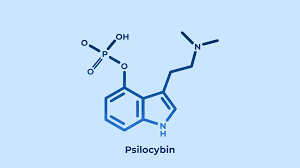
The chemical structure of ketamine is characterized by a phenyl ring attached to a cyclohexanone ring, with an amino group and a chlorine atom. The molecular formula of ketamine is C13H16ClNO, and its molecular weight is approximately 237.74 g/mol. The structure can be represented as follows:
Code
       Cl

|

C6H5-CH2-N(CH3)-CO-C6H10
This structure allows ketamine to interact with specific receptors in the brain, leading to its anesthetic and psychoactive effects. For more detailed information on ketamine’s chemical properties, you can Visit now our comprehensive guide.
How It Works or Explanation
Mechanism of Action
Ketamine primarily acts as an NMDA receptor antagonist. NMDA receptors are involved in the transmission of pain signals and the regulation of consciousness. By blocking these receptors, ketamine induces a state of dissociation, where the user feels detached from their surroundings and experiences altered perceptions of time and space. This dissociation is what makes ketamine effective as an anesthetic and a treatment for certain mental health conditions.
Pharmacokinetics
Ketamine is rapidly absorbed and metabolized in the body. When administered intravenously, it reaches peak plasma concentrations within minutes and has a half-life of about 15 minutes. Ketamine is metabolized in the liver to norketamine, which also has some psychoactive properties but is less potent than ketamine itself. The metabolites are then excreted through the urine. For more information on ketamine’s pharmacokinetics, you can refer to this external resource.
Benefits and Use Cases
Medical Applications
Ketamine has several medical applications, including:
- Anesthesia: Ketamine is used as an anesthetic for surgical procedures, especially in emergency situations where rapid induction is required.
- Pain Management: It is effective in managing chronic pain, particularly in cases where other pain medications have failed.
- Mental Health: Ketamine has shown promise in treating depression, PTSD, and other mental health conditions. Its rapid onset of action makes it a valuable tool for patients who do not respond to traditional antidepressants. For more information on ketamine’s mental health applications, you can Explore more.
Research and Development
Ketamine’s unique properties make it a subject of ongoing research. Scientists are exploring its potential in treating various conditions, including:
- Neurodegenerative Diseases: Some studies suggest that ketamine may have neuroprotective effects, making it a potential treatment for conditions like Alzheimer’s and Parkinson’s disease.
- Substance Abuse: Ketamine is being investigated as a treatment for substance abuse disorders, particularly for its ability to reduce cravings and withdrawal symptoms. For more information on ketamine research, you can visit this external resource.
Safety Risks and Legality (Neutral)
Safety Risks
While ketamine has many benefits, it also comes with risks:
- Psychological Effects: High doses of ketamine can cause hallucinations, delusions, and dissociative experiences. These effects can be disorienting and potentially dangerous.
- Physical Effects: Ketamine can cause increased heart rate, elevated blood pressure, and respiratory depression. Prolonged use can lead to bladder problems and cognitive impairment.
- Dependence and Abuse: Ketamine has the potential for abuse and dependence, particularly when used recreationally. Regular use can lead to tolerance and withdrawal symptoms. For more information on ketamine’s safety risks, you can refer to this external resource.
Legality
Ketamine is a Schedule III drug in the UK, meaning it is illegal to possess, distribute, or manufacture without a prescription. However, it is widely used in medical settings under strict regulations. The legal status of ketamine varies by country, and it is important to be aware of local laws and regulations. For more information on ketamine’s legal status, you can visit this external resource.
How to Get Started or Proper Use
Medical Use
If you are considering ketamine for medical purposes, it is essential to consult with a healthcare provider. Ketamine should only be administered under medical supervision to ensure safety and effectiveness. Dosages and administration methods will vary depending on the condition being treated and the individual’s response to the drug. For more information on ketamine’s medical use, you can Shop now.
Research Participation
For those interested in participating in ketamine research, it is important to find reputable studies and institutions. Ensure that the research is conducted ethically and that all safety protocols are followed. You can find more information about ongoing studies and research opportunities on reputable websites and through academic institutions. For more information on ketamine research participation, you can visit this external resource.
Common Mistakes
Improper Dosage
One of the most common mistakes with ketamine is using an improper dosage. High doses can lead to severe psychological and physical effects, while low doses may not be effective. Always follow the guidance of a healthcare provider when determining the appropriate dosage.
Recreational Use
Recreational use of ketamine is associated with significant risks, including dependence, abuse, and long-term health problems. It is important to avoid using ketamine for non-medical purposes and to seek professional help if you or someone you know is struggling with ketamine abuse.
Mixing with Other Substances
Mixing ketamine with other substances, such as alcohol or other drugs, can enhance risks and unpredictability. It is generally advised to avoid combining ketamine with other substances to ensure a safer experience.
FAQs
What is the chemical structure of ketamine?
The chemical structure of ketamine consists of a phenyl ring attached to a cyclohexanone ring, with an amino group and a chlorine atom. The molecular formula is C13H16ClNO.
How does ketamine work?
Ketamine works by blocking NMDA receptors in the brain, which are involved in pain perception and consciousness. This leads to a state of dissociation and altered perceptions.
What are the medical uses of ketamine?
Ketamine is used as an anesthetic for surgical procedures, in pain management, and as a treatment for mental health conditions such as depression and PTSD.
What are the risks associated with ketamine?
The primary risks include psychological effects such as hallucinations and delusions, physical effects like increased heart rate and respiratory depression, and the potential for dependence and abuse.
How should I prepare for ketamine treatment?
Prepare by consulting with a healthcare provider, following their guidance on dosage and administration, and ensuring that the treatment is conducted in a safe and controlled environment.
Can I mix ketamine with other substances?
Mixing ketamine with other substances can enhance risks and unpredictability. It is generally advised to avoid combining ketamine with other substances to ensure a safer experience.
What should I do if I experience a bad reaction to ketamine?
If you experience a bad reaction to ketamine, seek medical attention immediately. Inform your healthcare provider about your symptoms and follow their instructions for treatment.
How long do the effects of ketamine last?
The effects of ketamine typically last for a short duration, ranging from 30 minutes to a few hours, depending on the dosage and method of administration.
Conclusion with Soft CTA
In conclusion, understanding the chemical structure of ketamine and its various applications is essential for anyone considering its use. Ketamine offers unique benefits in medical and research settings, but it also comes with risks and legal considerations. If you’re interested in exploring ketamine for medical purposes or research, it’s crucial to approach it with caution, education, and a responsible mindset. For more information and to explore high-quality ketamine products, Order now and visit our trusted online store.