MDMA vs. Ecstasy: What’s the Difference?
If you’re exploring psychedelic-assisted therapy or seeking relief from conditions like anxiety, depression, or PTSD, you’ve likely heard of MDMA and Ecstasy. While these terms are often used interchangeably, they are not the same. Understanding their differences—especially in terms of purity, effects, and safety—is crucial for making informed decisions about your mental health and wellness journey.
What Is MDMA?
MDMA (3,4-Methylenedioxymethamphetamine) is a synthetic drug known for its empathogenic and stimulant effects. It promotes feelings of emotional openness, euphoria, and heightened sensory perception, making it a popular choice in psychedelic-assisted therapy for conditions like PTSD, anxiety, and depression.
- Pure Form: MDMA is typically found as a white or off-white crystalline powder.
- Medical Use: Currently being studied for its potential in therapy sessions to help patients process trauma and emotional blockages.
- Legality: In the UK and Europe, MDMA is classified as a Class A drug, meaning it is illegal to possess or distribute without a license.
For those interested in legal psychedelic alternatives, consider exploring magic mushrooms or microdose capsules.
What Is Ecstasy?
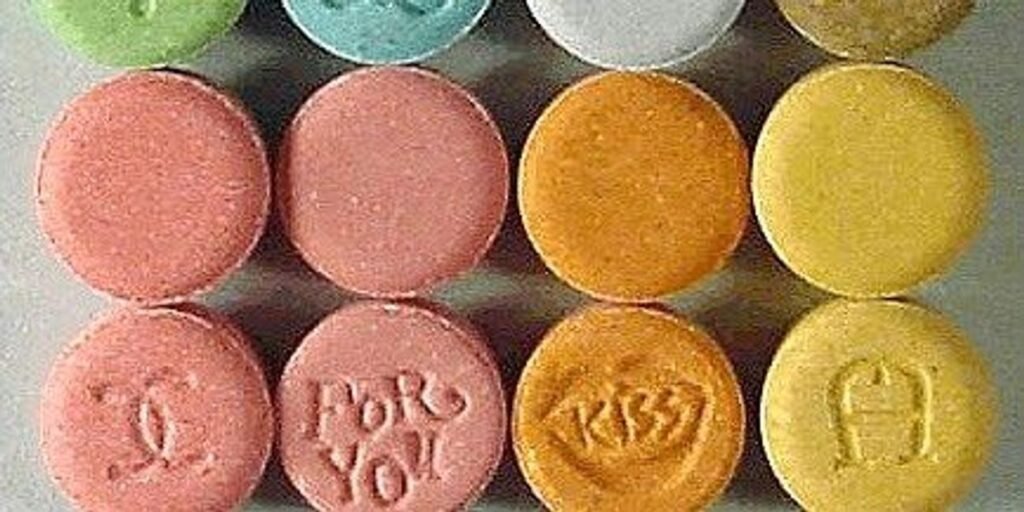
Ecstasy refers to MDMA in tablet or pill form, but it’s important to note that Ecstasy is rarely pure MDMA. These tablets often contain adulterants like caffeine, amphetamines, or even harmful substances such as PMMA or fentanyl.
- Appearance: Ecstasy tablets come in various colors, shapes, and logos, often marketed with catchy names.
- Risks: Due to the lack of regulation, the purity and dosage of Ecstasy can vary widely, increasing the risk of overdose or adverse reactions.
- Legality: Like MDMA, Ecstasy is illegal in the UK and Europe.
If you’re looking for safer, legal alternatives, magic truffles and mushroom grow kits offer a natural path to psychedelic experiences.
Key Differences Between MDMA and Ecstasy
| Factor | MDMA | Ecstasy |
|---|---|---|
| Form | Crystalline powder | Tablets or pills |
| Purity | Can be pure (if sourced safely) | Often cut with other substances |
| Dosage Control | Easier to measure | Varies widely; risk of overdose |
| Effects | Predictable, empathogenic | Unpredictable due to adulterants |
| Safety | Safer if pure and dosed correctly | Higher risk due to unknown additives |
Why Purity Matters
The purity of MDMA is a critical factor in its safety and effectiveness. Pure MDMA, when used in controlled settings, has shown promise in reducing symptoms of PTSD, anxiety, and depression. However, Ecstasy’s unpredictable composition can lead to dangerous side effects, including:
- Increased heart rate and blood pressure
- Dehydration and overheating
- Anxiety or paranoia
- Risk of serotonin syndrome
For those seeking consistent and safe experiences, fresh mushrooms and psychedelic microdose pills are worth exploring.
MDMA and Ecstasy in Therapy
Research into MDMA-assisted psychotherapy is growing, particularly for treating PTSD and trauma. Clinical trials have demonstrated that MDMA, when administered in a controlled, therapeutic environment, can help patients:
- Process traumatic memories without overwhelming fear
- Enhance emotional breakthroughs
- Improve communication and trust with therapists
However, self-medicating with Ecstasy is not recommended due to its unpredictable nature. Always consult a healthcare professional before considering psychedelic therapy.
Legal Alternatives in the UK and Europe
While MDMA and Ecstasy remain illegal, there are legal psychedelic options available:
- Magic Mushrooms: Natural psychedelics with therapeutic potential.
- Microdose Capsules: Low-dose psychedelics for mental clarity and emotional balance.
- Mushroom Grow Kits: Cultivate your own psychedelics at home.
Safety Tips for MDMA and Ecstasy Use
If you choose to use MDMA or Ecstasy, follow these harm reduction guidelines:
- Test Your Substance: Use a reagent testing kit to check for adulterants.
- Start Low, Go Slow: Begin with a low dose to assess your reaction.
- Stay Hydrated: Drink water, but avoid overhydration.
- Avoid Mixing: Do not combine with alcohol or other drugs.
- Have a Trip Sitter: Use with a trusted friend in a safe environment.
For pain relief and wellness, explore legal alternatives.
FAQ: MDMA vs. Ecstasy
1. Is MDMA the same as Ecstasy?
No, MDMA is the pure chemical compound, while Ecstasy is MDMA mixed with other substances in tablet form.
2. Can MDMA help with anxiety and depression?
Emerging research suggests MDMA-assisted therapy may reduce symptoms of anxiety, depression, and PTSD, but it should only be used in clinical settings.
3. Is Ecstasy safe?
Ecstasy is less safe than pure MDMA due to unknown additives. Always test your substance and use caution.
4. Where can I buy MDMA tablets in the UK and Europe?
Shop MDMA Tablets Now
5. Are there legal alternatives to MDMA?
Yes! Consider magic truffles or mushroom grow kits for legal psychedelic experiences.
Call to Action
Ready to explore the benefits of psychedelics for mental health and wellness? Shop MDMA Tablets Now or discover our range of legal psychedelic alternatives.
Schema Markup Suggestion
Schema Type: FAQPage and Article
This post is ideal for FAQPage schema to highlight the FAQ section and Article schema to boost visibility in search results.
Social Media Snippet
Facebook/LinkedIn Post:
🌟 MDMA vs. Ecstasy: What’s the Difference? 🌟
Did you know MDMA and Ecstasy aren’t the same? Learn about their purity, effects, and safety—plus legal alternatives for mental health and wellness! Shop MDMA Tablets Now or explore psychedelic therapy options. #MDMA #Ecstasy #MentalHealth #PsychedelicTherapy #UKWellness