Safe Use of MDMA: Dosage Guidelines & Harm Reduction Tips
Shop Now for MDMA Tablets in the UK & Europe
Introduction
If you’re researching the safe use of MDMA, you’re likely looking for dosage guidelines, harm reduction tips, and best practices to minimize risks and maximize benefits. MDMA, commonly known as ecstasy or molly, is a powerful substance with both therapeutic potential and significant risks if misused.
This guide covers everything you need to know about using MDMA safely, including dosage recommendations, harm reduction strategies, and what to avoid—backed by the latest research and expert advice.
What Is MDMA?
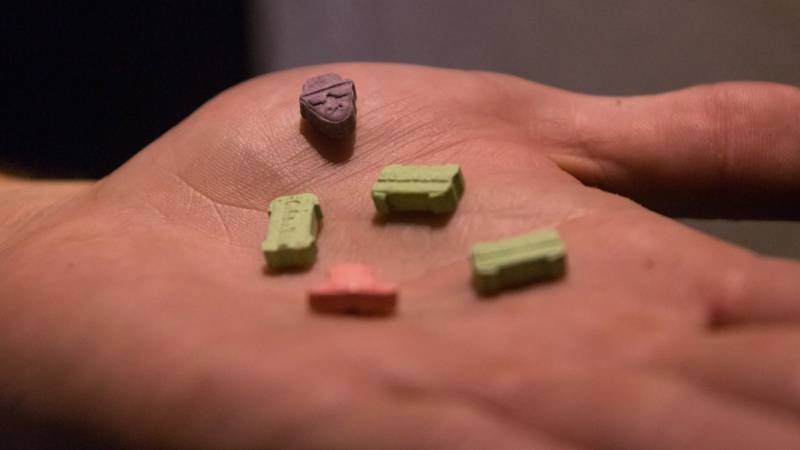
MDMA (3,4-methylenedioxymethamphetamine) is a synthetic drug that acts as both a stimulant and psychedelic. It enhances mood, increases empathy, and promotes emotional openness, making it popular in both recreational and therapeutic settings.
However, MDMA also carries risks, including hyperthermia, dehydration, anxiety, and neurotoxicity, especially at high doses or with frequent use.
Why Is Safe Use of MDMA Important?
Using MDMA safely is crucial because:
- Overdose risks increase with higher doses.
- Impure or adulterated MDMA can cause severe health issues.
- Mental health risks (e.g., anxiety, depression, or psychosis) can occur, especially in vulnerable individuals.
- Physical risks (e.g., heart strain, dehydration, or serotonin syndrome) are real and potentially life-threatening.
MDMA Dosage Guidelines: How Much Is Safe?
Recommended Dosages
- Beginners: 75–100mg (start low to assess tolerance).
- Standard recreational dose: 80–125mg (most common for a balanced experience).
- Therapeutic dose (clinical settings): 80–120mg (used in MDMA-assisted psychotherapy).
- High dose (200mg+): Not recommended for most users due to increased risks of overdose, anxiety, and physical harm.
Dosage by Body Weight
- Males: ~1.5mg per kg of body weight.
- Females: ~1.3mg per kg of body weight.
Example: A 70kg male might start with 70 x 1.5 = 105mg.
Harm Reduction Tips for Safe MDMA Use
1. Test Your MDMA
- Use a drug testing kit (e.g., Marquis or MDMA QTest) to check for purity and avoid dangerous adulterants like methamphetamine or fentanyl.
2. Stay Hydrated (But Not Too Much)
- Drink water regularly, but avoid overhydration (risk of hyponatremia).
- Sip water (about 250ml per hour) rather than chugging large amounts.
3. Avoid Mixing with Other Substances
- Never mix MDMA with alcohol, other stimulants, or SSRIs (increases risk of serotonin syndrome and heart strain).
4. Use in a Safe Environment
- Choose a comfortable, familiar setting with trusted friends.
- Avoid crowded, hot environments (risk of overheating).
5. Space Out Your Use
- Wait at least 3–6 months between MDMA sessions to reduce neurotoxicity and mental health risks.
6. Avoid Redosing
- Redosing (taking a second dose) increases risks and shortens the positive effects. If you must, wait at least 1.5–2 hours and take no more than 50% of the original dose.
What to Avoid When Using MDMA
❌ Taking unknown or untested substances.
❌ Mixing with alcohol, cocaine, or other stimulants.
❌ Using in unsafe or unfamiliar environments.
❌ Ignoring physical warning signs (e.g., rapid heartbeat, dizziness, or extreme anxiety).
❌ Frequent use (increases risk of tolerance, depression, and neurotoxicity).
MDMA and Mental Health: Risks & Benefits
Potential Benefits
- Therapeutic use in PTSD, anxiety, and depression (when used in controlled clinical settings).
- Enhanced emotional processing and reduced fear responses in trauma therapy.
Potential Risks
- Worsening anxiety or depression (especially in vulnerable individuals).
- Psychosis or paranoia (rare but possible at high doses).
- Long-term cognitive effects (memory and mood issues with chronic use).
MDMA in Therapy: What You Need to Know
MDMA-assisted psychotherapy is not the same as recreational use. In clinical settings:
- Dosages are carefully controlled (typically 80–120mg).
- Therapists guide the experience to maximize therapeutic benefits.
- Safety protocols (e.g., medical screening, integration therapy) are in place.
If you’re considering MDMA for anxiety, depression, or PTSD, consult a licensed professional and explore legal clinical trials.
FAQs About Safe MDMA Use
1. How long does MDMA stay in your system?
MDMA effects last 3–6 hours, but it can be detected in urine for 1–3 days and in hair for up to 90 days.
2. Can you overdose on MDMA?
Yes, especially at doses above 150mg or when mixed with other substances. Symptoms include seizures, extreme hyperthermia, and heart failure.
3. Is MDMA addictive?
While not physically addictive, psychological dependence can develop with frequent use.
4. Can MDMA help with anxiety and depression?
In clinical settings, MDMA-assisted therapy has shown promise for PTSD, anxiety, and depression, but self-medication is not safe.
5. What should I do if someone has a bad reaction to MDMA?
- Stay calm and move them to a quiet, cool space.
- Hydrate gently (sips of water).
- Seek medical help if symptoms worsen (e.g., seizures, unconsciousness, or extreme agitation).
Conclusion: Use MDMA Responsibly
MDMA can be a powerful tool for emotional healing and recreation, but safe use is non-negotiable. Always test your substance, start with a low dose, and prioritize harm reduction.
Shop Now for MDMA Tablets in the UK & Europe
Schema Markup Suggestion
- Article (for the blog post)
- FAQPage (for the FAQ section)
Social Media Snippet
💡 Stay safe with MDMA! Learn the dosage guidelines, harm reduction tips, and risks to ensure a positive experience. 🔗 Read the full guide here