Health Risks and Side Effects of MDMA: What You Need to Know
MDMA, commonly known as Ecstasy or Molly, is a popular recreational drug known for its euphoric and empathogenic effects. While it has gained attention for its potential in psychedelic-assisted therapy, it also carries significant health risks and side effects. Whether you’re exploring MDMA for mental health support or recreational use, understanding these risks is essential for safe and informed decision-making.
What Is MDMA?
MDMA (3,4-Methylenedioxymethamphetamine) is a synthetic drug that alters mood and perception. It is often used in therapeutic settings to help individuals with PTSD, anxiety, and depression process traumatic experiences. However, its recreational use is widespread, particularly in party and festival settings.
- Chemical Composition: MDMA is a stimulant and hallucinogen, producing feelings of increased energy, emotional warmth, and distorted sensory perception.
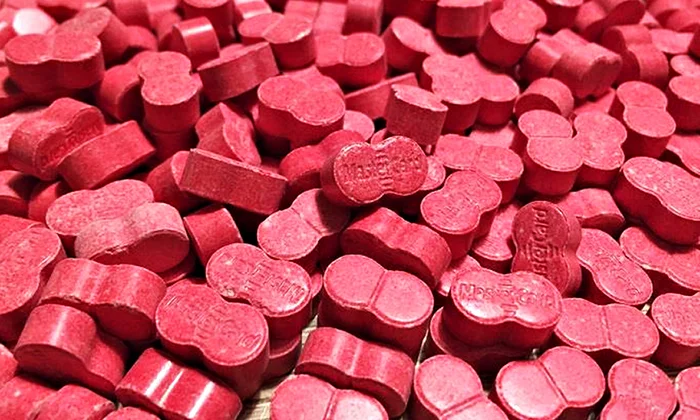
- Forms: It is commonly found as powder, crystals, or tablets (Ecstasy).
- Legality: In the UK and Europe, MDMA is classified as a Class A drug, making it illegal to possess or distribute.
For those interested in legal psychedelic alternatives, consider exploring magic mushrooms or microdose capsules.
Short-Term Side Effects of MDMA
MDMA affects the brain by increasing the activity of serotonin, dopamine, and norepinephrine, leading to both desirable and adverse effects.
Common Short-Term Effects:
- Euphoria and emotional openness
- Increased energy and alertness
- Enhanced sensory perception
- Increased sociability and empathy
Adverse Short-Term Effects:
- Increased heart rate and blood pressure
- Dehydration and overheating
- Muscle tension and jaw clenching
- Nausea and loss of appetite
- Anxiety, paranoia, or confusion
For a safer experience, always stay hydrated and avoid mixing MDMA with alcohol or other substances.
Long-Term Health Risks of MDMA
While MDMA can offer short-term emotional benefits, its long-term use poses serious health risks:
1. Neurotoxicity
- MDMA can damage serotonin-producing neurons, leading to long-term changes in mood, memory, and cognitive function.
- Chronic use may result in depression, anxiety, and memory impairment.
2. Cardiovascular Risks
- MDMA increases heart rate and blood pressure, which can lead to heart failure or stroke, especially in individuals with pre-existing conditions.
3. Mental Health Risks
- Regular use can exacerbate anxiety, depression, and psychosis.
- Some users experience “comedowns”—periods of low mood, fatigue, and irritability after use.
4. Addiction Potential
- While MDMA is not considered physically addictive, psychological dependence can develop, leading to compulsive use and risky behavior.
MDMA and Mental Health: Risks vs. Benefits
MDMA is being studied for its potential in psychedelic-assisted therapy, particularly for PTSD and trauma. However, its recreational use carries risks:
- Therapeutic Use: In controlled settings, MDMA can help patients process trauma and improve emotional well-being.
- Recreational Use: Without professional guidance, MDMA can worsen mental health conditions and lead to unpredictable reactions.
For those seeking legal and safer alternatives, fresh mushrooms and psychedelic microdose pills are excellent options.
Harm Reduction: How to Use MDMA Safely
If you choose to use MDMA, follow these harm reduction tips to minimize risks:
- Test Your Substance: Use a reagent testing kit to check for adulterants like PMMA or fentanyl.
- Start Low, Go Slow: Begin with a low dose (75–125 mg) to assess your reaction.
- Stay Hydrated: Drink water, but avoid overhydration (1–2 cups per hour).
- Avoid Mixing: Do not combine MDMA with alcohol, other stimulants, or depressants.
- Have a Trip Sitter: Use MDMA in a safe environment with a trusted friend.
- Take Breaks: Avoid frequent use to prevent neurotoxicity and tolerance buildup.
For pain relief and wellness, explore legal alternatives.
Legal Alternatives to MDMA in the UK and Europe
If you’re looking for legal psychedelic experiences, consider these alternatives:
- Magic Mushrooms: Natural psychedelics with therapeutic potential.
- Microdose Capsules: Low-dose psychedelics for mental clarity and emotional balance.
- Mushroom Grow Kits: Cultivate your own psychedelics at home.
FAQ: Health Risks and Side Effects of MDMA
1. What are the immediate side effects of MDMA?
MDMA can cause increased heart rate, dehydration, nausea, and anxiety. Always use it in a safe environment with a trusted friend.
2. Can MDMA cause long-term brain damage?
Yes, chronic MDMA use can lead to serotonin depletion, affecting mood, memory, and cognitive function.
3. Is MDMA addictive?
While not physically addictive, MDMA can lead to psychological dependence and compulsive use.
4. How can I reduce the risks of using MDMA?
Test your substance, start with a low dose, stay hydrated, and avoid mixing with other drugs.
5. Are there legal alternatives to MDMA?
Yes! Consider magic truffles or mushroom grow kits for legal psychedelic experiences.
Call to Action
Ready to explore safer psychedelic alternatives for mental health and wellness? Shop MDMA Tablets Now or discover our range of legal psychedelic options.
Schema Markup Suggestion
Schema Type: FAQPage and Article
This post is ideal for FAQPage schema to highlight the FAQ section and Article schema to boost visibility in search results.
Social Media Snippet
Facebook/LinkedIn Post:
🚨 Health Risks of MDMA: What You Need to Know 🚨
MDMA can offer emotional benefits, but it also carries serious health risks. Learn about the side effects, long-term dangers, and harm reduction tips—plus legal alternatives for mental health! Shop MDMA Tablets Now or explore psychedelic therapy options. #MDMA #MentalHealth #PsychedelicSafety #UKWellness #HarmReduction